

Sometimes We Just Have to Jump In
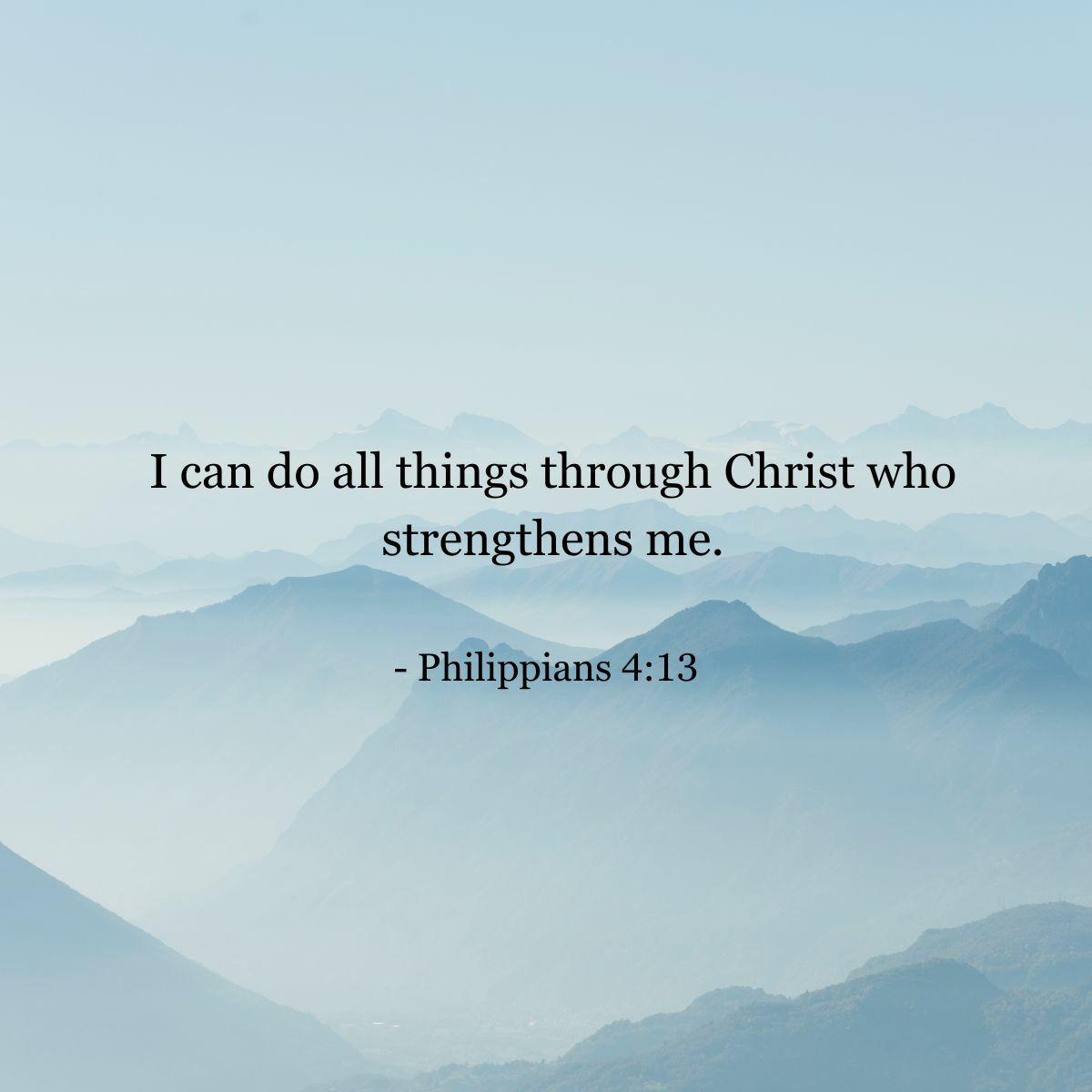
Whatever I have, wherever I am, I can make it through anything [with] the One who makes me who I am. Philippians 4:13 MSG
What do you fear? If you’re anything like me, fear of heights would surely make the list. Or maybe for you it’s snakes or spiders. Perhaps you shy away from meeting new people or avoid public speaking. (That one appeared on just about every list I found.) Maybe your nemesis is violent storms or being trapped in a situation with no visible means of escape. Another “favorite” of mine is being in enclosed spaces or in large crowds. Whatever your specific fear or fears may be, we all have them, and we can probably agree that we would like to be rid of them. We can either travel through life in a cocoon that doesn’t allow us to experience living as we were intended, or we can find a way to overcome our personal fears. Now, I am no expert in this field of endeavor, but I do know that if I can’t completely overcome my fears, at least I need to learn how to manage them.
Whatever your fear, find a way to face it. Fear taunts and tries to intimidate us.
But when our hearts are established in the freedom God had given us,
we can laugh at the fear of the future.
Sadie Robertson Huff, Live On Purpose
 I recall a young girl who wanted to swim but whose parents didn’t have the resources for lessons. All my friends could swim, but I was always left on the side of the pool alone. One day, I became so frustrated at being left out that I made the decision to do something about it. My method may not have been the best choice, but I reasoned that if I jumped into the deep end of the pool, I’d either sink or find my way back to safety. Worst-case scenario, the lifeguard would haul me out and give me mouth-to-mouth resuscitation. Bear in mind, he was pretty easy on the eyes. So, I took a deep breath and jumped. I resurfaced and swung my arms about rather wildly, kicked my feet, and made it to the ladder without having to be rescued. As it turned out, my body floats very well, and I’ve been able to enjoy many hours in very deep water without fear of going under. My swim strokes will never get me to the Olympics, and I’m not graceful in the water, but I can get just about anywhere I want to go.
I don’t suggest that everyone try to learn to swim by my method, but I think the metaphor of not waiting for fear to subside, but instead to jump right in, can serve us well in many situations. We don’t know whether we will succeed or fail at any new thing we try, but we do know that we won’t find out unless we take the first step. Since that day, the twelve-year-old me jumped into the pool, I’ve accomplished a few other feats that have taught me not to give up because of fear. I’ve climbed a couple of very tall lighthouses, walked across the bridge at Royal Gorge, and hiked many trails where snakes and other hazards might have been present. And I still have a healthy respect for heights and snakes and closed-in rooms, but with the help of the faith I have that Jesus will walk with me through those scary places, I’ve enjoyed a lot of adventures that otherwise would never have been possible. And I still believe that a prudent amount of fear can keep us on the right track in life choices as well.
Fear should not paralyze us, but it should act as our conscience when tricky decisions must be made or when temptations come calling. Jesus will always lead us on the right path if we let him.
Don’t let fear have the final say in your life. Don’t even give it a vote!
Sadie Robertson Huff, Live On Purpose
 And, by the way, we should not allow our fears, whatever they may be, to interfere with the plan God has for our lives. If that trail leads us beyond our comfort zone, it’s time to place our faith and confidence in the one true light who will always set us on the right path and help us to reach the finish line.
Being free from fear doesn’t mean that we will never experience it or be confronted by it. It means that we are committed to not allowing it to rule our lives, and when necessary, we will do what we need to do, even if we have to do it afraid.
Joyce Meyer, Quiet Times with God
Read more...
So Much More
She gave birth to her firstborn son…..Luke 2:7a
I always get a little melancholy at this time of year. There’s so much to do between Thanksgiving and Christmas. Purchasing and wrapping gifts, putting up decorations both inside and out, scrubbing the house for the guests who will soon arrive, baking cookies and making candy….the list goes on and on. There’s no time to kick back and put your feet up. We just keep going until suddenly we realize the day has come and gone. The guests all headed back home, leaving a mountain of laundry to be washed, cookie crumbs scattered all over the floor, and maybe they’ll even leave a little respiratory bug behind! There could be one roaming around our house. And of course, getting a hug from a lively grandchild can also leave you with a black eye! I’m just sayin’….it could happen!
But we wouldn’t have it any other way. We love to see the smiling faces of kids when a treasured gift is opened. We love to share the stories of family life over and over again. We love to eat so much that we feel as if we’ll explode. But when it’s over, the letdown is a little tough for me to handle. Trading the excitement for the mundane makes me sad.
I tussle with myself as to when I should remove the decorations, knowing that I won’t see them for eleven months and, at my age, who knows what those eleven months may hold. So, as I box up all the treasures we’ve collected over the years, I create a mental catalog of each one that I can call up anytime I want, and savor the joy of the season.
You may recall that I wrote about our wonderful lighted globe depicting Mary, Joseph, and Jesus. That one is exceptionally difficult to pack away. It has meant so much to me this year. When I was overwhelmed with preparations and all the secular aspects of our “winter holiday,” it gave me hope that people would hear the Christmas story again or, perhaps, for the first time, and they would draw closer to learn more.
The virgin birth is more, much more, than a Christmas story; it is a picture of how close Christ will come to you. The first stop on his itinerary was a womb. Where will God go to touch the world? Look deep within Mary for an answer.
Max Lucado, Everyday Blessings
Perhaps they’ll be ready to really hear the story of why Jesus left the glory of heaven to experience a human birth, to grow up in a house full of siblings and friends, to follow his dad, Joseph, to the carpentry shop and work with his hands, to be a human in every respect. And perhaps, they’ll be willing to journey through His adult life, witness the miracles that followed Him everywhere; the healings, the resurrections, and, when the time came, His own excruciating death and the wonder of His resurrection. It’s overwhelming to try and wrap our heads around the entire scope of what Jesus did just because He loves us.
…..look deep within yourself. What he did with Mary, he offers to us! He issues a Mary-level invitation to all his children, “If you’ll let me, I’ll move in.” Max Lucado, Everyday Blessing
What an incredible promise….Jesus living within us! I can almost feel what Mary felt when she knew she carried the Son of God within her. I’m so blessed to carry Him in my heart every day. My prayer is that if you haven’t opened the door, you’ll open it and let Him “move in” to your heart too.
As we depart 2025 and prepare for the journeys and adventures of 2026, let’s all strive to keep one resolution….to live more like Jesus.
Read more...

Believe It Or Not

I wonder what it would have been like to be in Mary’s sandals when the angel came to her with news that she would soon be pregnant and not with just any ordinary baby…Oh no. She would bear the Son of God! How would I have responded to such an impossible proclamation, or how would you?
It is important to remember that Mary was only a girl herself, little more than a child. Of course, in those days, it was not uncommon for young girls, by our standards, to become promised in marriage. Also important to consider is that the betrothal was as binding to them as marriage is to us. And so, when she became pregnant, it was assumed that she had either been unfaithful or the betrothed couple had gotten carried away. To further complicate matters, Joseph knew that this child was not his, which left only one alternative in his mind—until, of course, the angel visited him as well.
Here they were, a young couple who only days or weeks before had become publicly betrothed, enjoying the well-wishes of family and friends along with much celebration. Suddenly, they are thrust into a drama of epic proportions. Not only is there a supposedly illegitimate baby on the way, but unbeknownst to all their friends and family, that baby was the Messiah, the Promised One, the Holy Son of God. How do you wrap your mind around something so seemingly impossible and keep it a secret?
Yet, once they accepted their roles, it appears that neither ever looked back. This was the purpose for which they had been created, and, being faithful followers, they accepted the honor that had been offered them.
Just for a moment, imagine if Mary had said to the angel, “No way, I’m not falling for that story. Immaculate conception! No, you’ll have to find someone else to help you with this crazy plan.” (In today’s world, that kind of reaction would be entirely possible.) Mary’s world, however, was solidly based in tradition, prophecies, and mysteries beyond human understanding. We, educated people of the twenty-first century that we are, might try to rationalize the honor being bestowed through the voice of an angel and find it lacking credibility. Truth be told, many would be terrified. But not Mary. Even if she felt a bit of fear or uncertainty, her faith did not waver.
Or, what if Joseph had followed the acceptable behavior of the day and had Mary stoned for her transgression? That form of punishment was legal and favored in situations like Mary’s. But Joseph had a tender spot in his heart for Mary, and maybe somewhere deep inside himself, he knew that something about this story was special.

Whatever doubts either of them may have felt were put to rest by the words of the angel sent from God. And they went about their days just doing what most expectant parents do until the decree went out regarding a census, one that would lead them on a journey back to the town where Joseph’s family found its roots. And there she birthed the Christ Child with no fanfare, just a humble stable, a few scruffy animals, some smelly shepherds, and a host of angels. The Lord of heaven came to earth in human skin to dwell among us, not ruling over us, but living in the midst of our daily lives. He came to fulfill a plan that was formed before human time began, a plan that would rescue us and provide hope for something precious after this life ends. And then He offered us a choice…to believe or not believe!
Happy is she who believed that the Lord would fulfill the promises he made to her. Luke 1:45 CEB
Read more...
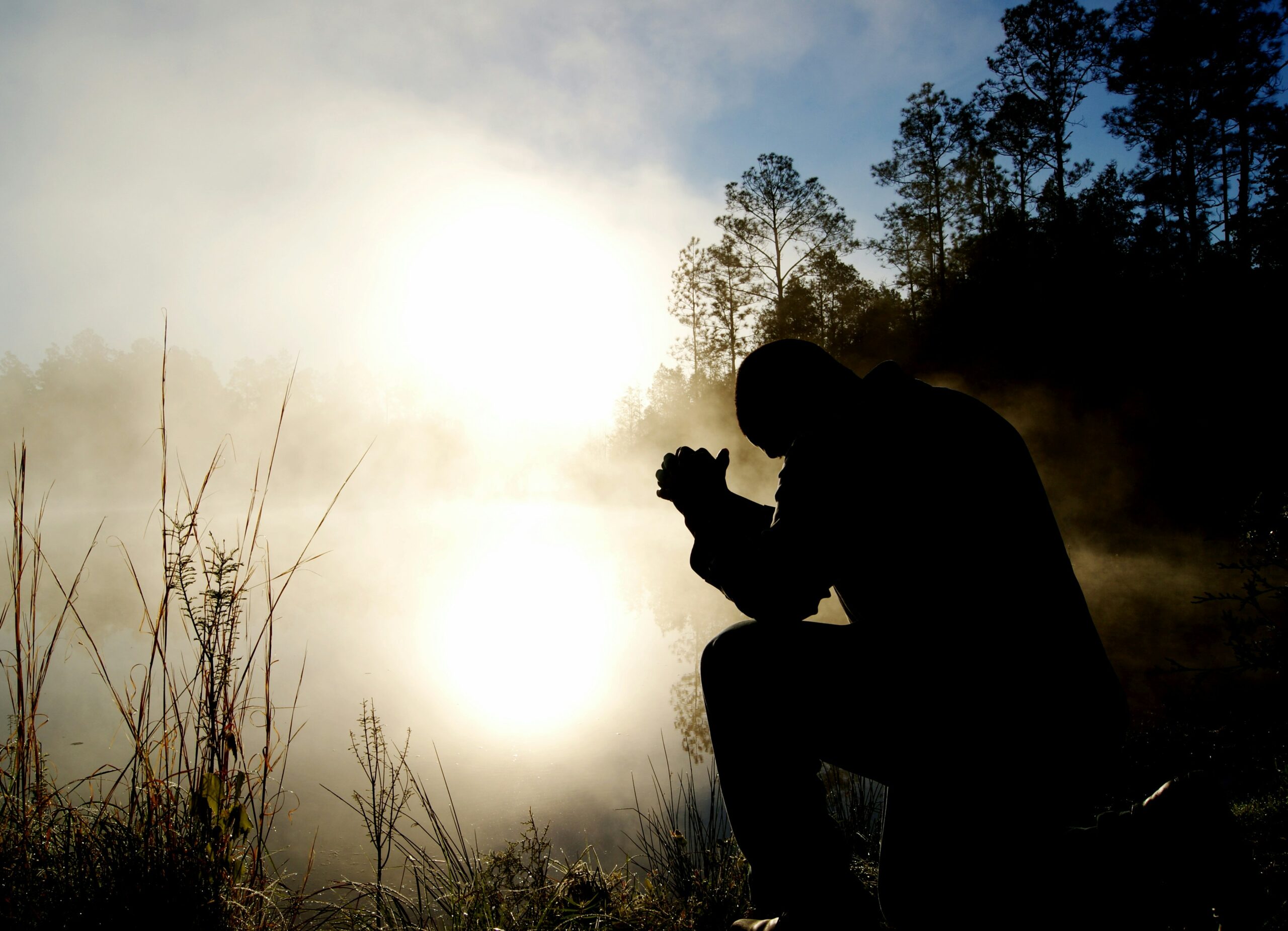
Recognizing Jesus
He was in the world, and the world was made through Him, and the world did not know Him. He came to His own, and His own did not receive Him. John 1:10-11 NKJV
Today, it’s sometimes hard to relate to one who is physically unseen, but we can’t encapsulate Jesus in the cocoon of Biblical times. We have to allow ourselves to remove the robes and sandals visually; dress him in jeans, a tee shirt and sneakers. He can keep a scruffy beard and longish hair. They fit right into our society. We have to recognize him as someone we can relate to. He wants to be invited into our homes for breakfast, lunch, and dinner. He wants to travel with us on the road to wherever we need to go for the day. He wants to be a part of our business meetings, our shopping trips, our school days, our week-ends and vacations. Invite him to the backyard barbecue or on a hike in the woods. Most importantly, open your heart and talk with him. He wants us to bring him all our thoughts and dreams, aches and pains… he doesn’t censor what we tell him…he hears. He may not always agree, but he always hears.
Most of the people of Jesus’ time on earth didn’t recognize him because they expected a king, a royal personality. Jesus was anything but royal. In fact, he was considered common, and he was challenged and criticized nearly everywhere he went. If they, who saw him in the flesh, couldn’t recognize him and accept him for who he was, how can we, when we can’t even see him?
And that’s where faith steps into the equation.
The woman at the well challenged him until he promised her Living Water if she would trust in him. Zacchaeus watched him from a tree branch, but when Jesus called him down and invited himself to dinner, the tax collector knew his greedy days were over. And Peter, whose tongue got him into more trouble than mine ever has, and that’s saying a lot, became one of the best known and most devoted of Jesus’ disciples.
Maybe you’re not the woman at the well, trying to avoid your neighbors just so you don’t have to watch them whispering behind your back? Or maybe you’re not in a profession similar to the detested tax collector. But many of us are overly eager to please, often saying the wrong thing at the wrong time. We’d like to control those words that roll off our tongues, but we just can’t do it alone. Or perhaps we’re just ordinary people living ordinary lives, but not taking time to really think about where we came from or where we’re going.
God can unravel any ball of twine we hand him, no matter how snarled and knotted it may be. Dan Walsh, What Follows After
There’s good news for us! Jesus can take all our burdens from our weary shoulders. He will meet us wherever we are…did you see that, Jesus will meet us wherever we are. And the best news is that He won’t leave us there. It’s an often-used phrase, but always bears repeating;
JESUS WILL MEET US WHERE WE ARE…BUT HE WON’T LEAVE US THERE!
It’s during the tough times that our true character sees the light of day. These are the days when life leads us down countless rabbit holes and tempts us with glitz and glamour. That’s when we need him most. That’s when it’s time for a little talk…or maybe a long and very deep conversation. And there’s no better time than at Christmas to start afresh! Get to know this man named Jesus, spend time with Him, and learn to recognize Him in today’s world. Give him the opportunity, and he’ll change your world.
I found that when I began including Jesus in [all] my thoughts, my relationship with Him naturally grew deeper and sweeter over time. My inner monologue turned into a conversation with my best friend. Emily E Ryan, Mornings with Jesus 202
Read more...
Seek the Light and Stay Focused
 In him lie hidden all the treasures of wisdom and knowledge. Colossians 2:3
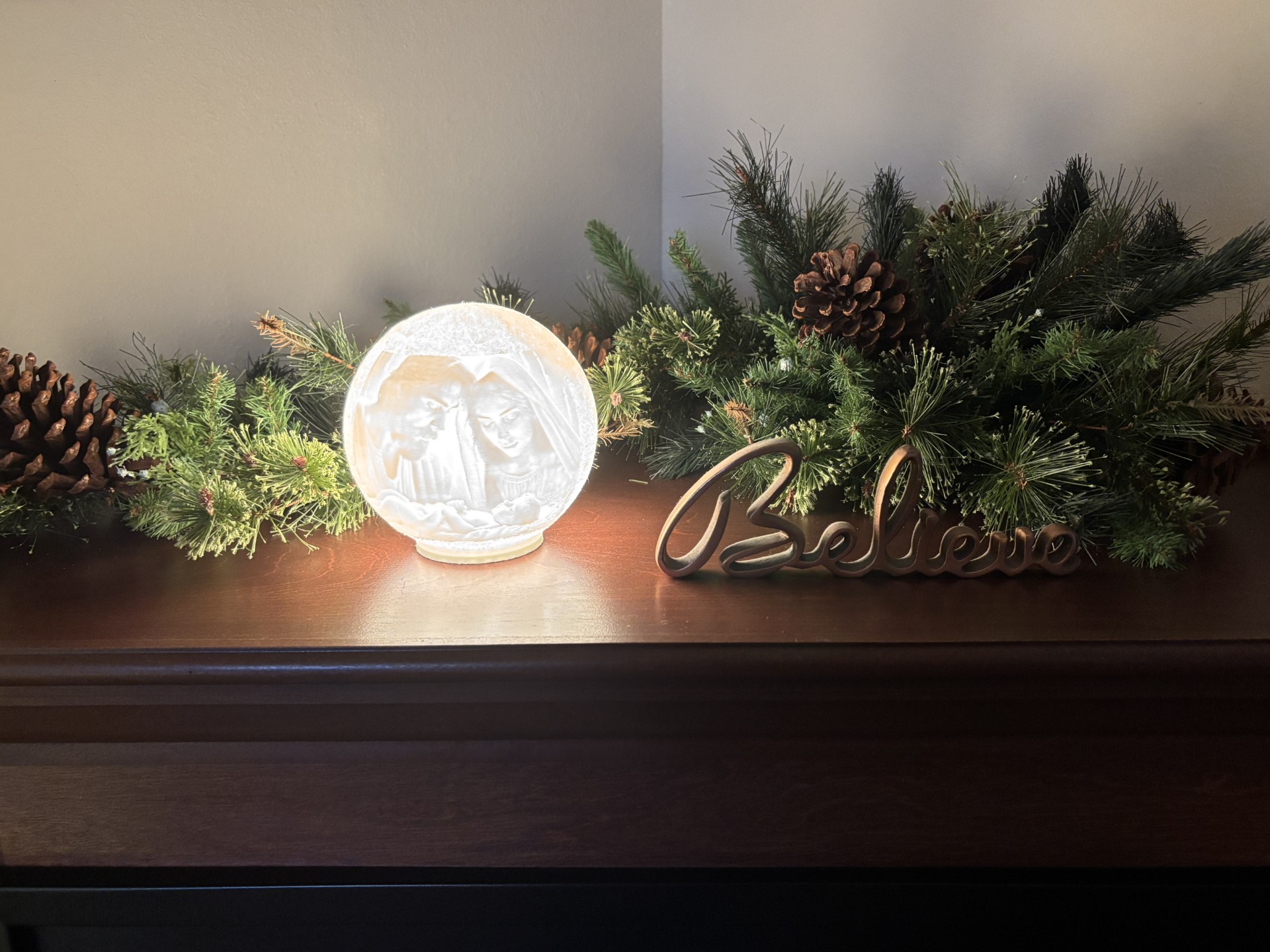
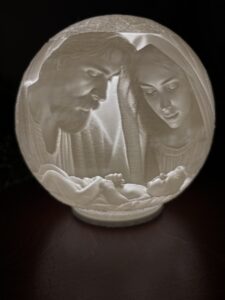
I’m studying a gift from last Christmas that has become a beacon of light for me this Advent season—a lighted globe showing Mary, Joseph, and the newborn baby etched in deep relief. This beautiful piece was created by our son-in-law, a product of his 3-D printer. I knew Steve had been quite busy last fall creating lovely gifts for family and friends, but this one blew me away.
It sits on our mantle in the darkest corner of our living room, and it’s lit from the time I get up in the morning until I’m ready for bed at night. Its light fills the room with a constant reminder that Jesus is the Light in our world. During this Advent season, our lovely globe is keeping me focused. I find myself gazing toward it often, that image keeping my thoughts on Him and working toward being more like Him. While many are trying to turn Christmas into a completely secular holiday and, unfortunately, are achieving a great measure of success, it becomes even more vital to keep the story of Jesus alive and share it with others.
When I’m in conversation with people at church or run into them elsewhe re, they often comment that it must be hard to come up with topics week after week for these writings. I can only reply that I don’t come up with them. Jesus does the talking. I just try to hear him clearly. In the beginning, that was difficult because I had not yet learned to trust him enough to be assured that if he wanted me to say something—he would provide the foundation—and then give me room to flesh out the idea. And if I have a question, he always has an answer, but he will likely make me search for it. It’s in the searching that I learn and grow closer to him. God has been using imperfect people like me throughout human history to spread the Word that Jesus would come—that he wanted to be our constant companion and save us from ourselves.
Christmas decorations reminding us of Jesus’ birth come and go quickly. Before long, we’ll be entering Lent and those weeks of introspection that lead us to the cross. During Advent and during the Lenten season, we concentrate more fully on what it means to follow Jesus. Of course, we must treasure those two events that mark the beginning and end of Jesus’ life on earth; they offer us hope and grace.
But it’s the in-between days that have the lasting impact on who we are and who we will become. The days when our struggles and disappointments seem overwhelming, the days when we’re dog tired from working so many hours to keep food on the table and clothes on our kids. The days when nothing seems to go right and all our friends seem to have abandoned us. The days when we feel like giving up. Those are the days that make us or break us, when we need a friend the most—Jesus is that friend.
When he was here among us, he visited friends, preached to crowds, mourned losses, and celebrated marriages. He walked, he spoke, he cried, and he laughed. He left us a legacy we don’t begin to deserve….but he left it anyway. He showed us, by his example, how to live. And He longs for us to talk to Him, confide our secrets in Him. He’ll never abandon us. He’ll always listen. We can have no better friend.
That globe that I treasure is a tangible picture of a scene that happened over two thousand years ago and was made possible by  technological advances that I can’t begin to understand. How can a 3D printer, a computer, and a roll of plastic cord create such a wondrous thing? But then again, how could Jesus come to live among us, making such a wondrous sacrifice for the likes of us? Because He loves us!
Above all else, guard your heart, for everything you do flows through it. Proverbs 4:23 NLT
The message of the manger is as vital today as it was on that ancient night when it occurred. He came so that we might live forever! We must carry Him in our hearts every day, just like we do on Christmas; fill ourselves so full of Him that it overflows onto everyone we meet!
… you must let him penetrate your heart. Deep, deep inside. Internalize him. Inject him. Welcome him into the inner workings of your life. Let Christ be the [focus] of your soul. Max Lucado, Come Thirsty (Paraphrased)
Read more...

Super Heroes
The Lord will fight for you. You need only to be still. Exodus 14:14
When I was young, a few super heroes filled our movie screen with super-human acts of amazing power that always saved the day when someone was in trouble. I was especially enamored with Superman and absolutely amazed that he could just fly through the skies and be in the right place at the right time to defeat the evil enemies of good people. Oh, there were tense moments when I thought this might be the time when his super powers failed. I recall being exceptionally nervous when the enemy overpowered Superman by exposing him to kryptonite, a radioactive ore from his home planet, Krypton, that interferes with his body’s ability to process earths sunlight from which he gains his powers. How in the world would he ever overcome, but the writers always found a way.
Super heroes were such an attraction to young minds that writers scrambled to create more. Batman, Spiderman, and Wonder Woman were some of my favorites and I never missed the Saturday afternoon matinee at our local theater. Bear in mind, I had to walk the mile and a half to town, but it was worth the effort just to see those amazing characters brought to life on that gigantic screen.
Today’s kids have a host of super heroes and super villains at their fingertips. The digital world is filled with names that I don’t know or understand, but you can be sure your kids and grandkids will be asking for action figures of their favorites for Christmas. At some point, we all have to grow up, at least chronologically. Unfortunately, many of us hang on to those old habits of expecting a “super hero” to swoop in and fix all our problems. The thing is, only Jesus has the super powers needed to clean up our messes and it’s his birthday we celebrate in a few weeks.
It’s during these four weeks of Advent that you have an opportunity to introduce your children and grandchildren to Jesus, the man. A real honest-to-goodness human super hero. He came from God and he lived with the people of his time. Tell your kids about his birth in details they can understand; the long trip his parents made to Bethlehem on foot, the innkeepers who turned them away because their inns were full, but then one offered them a stable. Jesus was born in that stable with farm animals as his audience. Bring it to life for them. Describe the heat of the desert day and then the cool refreshment of the night, the sounds and smells of the animals. Remind them Jesus didn’t have a comfy bed to sleep in. There was only an animal feed trough filled with itchy, pokey hay for him to lay in. Introduce them to the lowly shepherds who came to visit. Explain the great light that appeared in the sky and the angels descending over the stable. Help them really feel the wonder of that night.
And each evening, continue to tell them stories of His life here among the very people His own Father created. Most importantly, teach them to talk with Jesus, an open and honest conversation. Let them know he is their friend and they can share their deepest secrets
with him. Help them to feel his presence. That’s the message of Christmas, that Jesus came because he loves us and wants to be our friend and helper. Young minds can grasp the concept, so help them to get “hooked” on Jesus early in life and then when trouble comes their way, as it will, no matter how hard life gets, when they get so far away from what’s right that no rescue seems possible, they’ll remember those talks with their friend, Jesus, and the prayers will resume. The conversation will continue. Hope is only a prayer away.
On the day I called, you answered me….Psalm 138:3a NLT
 Super heroes are entertaining but they’re only a figment of a writer’s imagination and lots of very technical special effects. I find it interesting to note that Superman’s antidote to the dangerous kryptonite was sunlight. Our antidote to evil is Son-light. And though our super hero came amid the silence of the night and was soon visited by lowly shepherds, the angels lit the sky with such a spectacle of light that it would make today’s special effects look tiny in comparison. Jesus is our light and he wants to be your best friend and mine. Won’t you start the conversation? And perhaps during the course of this Advent season, along with your children or grandchildren, you can rekindle a relationship with Him that can last an eternity.
Read more...

A Thankful Heart and a Best Friend

The Lord is my strength and shield. I trust him with all my heart. He helps me and my heart is filled with joy. I burst out in songs of thanksgiving. Psalm 28:7
I have so much to be thankful for that I can’t begin to list each thing. I have a husband who is hale and hearty after many months of being much less so. I have healthy, happy children and grandchildren. Ken and I enjoy a comfortable home, and we have wonderful friends who are there when we need them. We have a caring and giving church family. But the very best gift we have is the presence of Jesus in every aspect of our lives.
Last Thursday evening, Aldersgate hosted the annual Nixa Night of Thanks, and what a blessing it was. The praise band led us through a musical celebration of thankfulness that really touched our hearts. Our message for the evening, offered by the pastor of Victory Baptist Church, struck a chord in each person I spoke with afterward. Other church leaders, including Pastor Sarah, led us in prayer and scripture and an explanation of some of the areas in which the Nixa Ministerial Alliance assists those in our community who are having a hard time.

It was a noisy and joyful service, and I, for one, loved every minute of it! I often wonder if we really understand the meaning of thankfulness. We utter the words often, but has it become a habit? I can honestly say that the thankfulness and joy that were expressed in that service touched me deeply and brought tears to my eyes. And the warmth of everyone who shared the time of food and fellowship, which followed that wonderful service, wrapped up the evening perfectly.
Many of us will enjoy all the trappings of a holiday meal and visit with family and friends on this Thanksgiving Day. Others won’t. Let’s all be mindful of those who are far away from family and perhaps haven’t had time yet to make friends. Of those who are sick or alone, those who can’t afford good food, or perhaps none at all. Pray for all of them as Jesus would and be oh so thankful for the blessings in your life.
Don’t worry about anything; instead, pray about everything. Tell God what you need, and THANK him for all he has done. Then you will experience God’s peace, which exceeds anything we can understand. His peace will guard your hearts and minds as you Iive in Christ Jesus. Philippians 4:6-7
On Sunday, we begin the season of Advent. We’ll be thinking about gift shopping, decorating our homes for the Christmas holidays, planning the family dinner, and maybe a few cookies. All these things are a wonderful part of this very special time of year. As Christians, it becomes more important as each year passes that we do everything we can to keep the true spirit of Christmas alive and burning bright, then share it with those we meet.

We find it easy to see Jesus as a tiny baby sleeping in an animal trough. And He is often pictured hanging on the cross. Obviously, these two events are the backbone of our belief in salvation. But they are only two days of our three-hundred-sixty-five-day year. Jesus is with us every day! He’s always nearby! We need to recognize Him as our everyday best friend.
As we begin our reflective journey to the manger, take time to get to know Him. He heals our hurts, shares our joys, and guides us along the pathways of this life…if we give Him the opportunity.
Read more...

Water…We Can’t Live Without It!
He (Jesus) cried out, “If anyone thirsts, let him come to me and drink. Rivers of living water will brim and spill out of the depths of anyone who believes in me this way…” John 7:37-38. MSG
 Water…the most vital source of sustenance for any living thing. We can’t live without it. Our bodies are about sixty percent water that must be replenished every day.
In early times, water was taken from rivers and streams, making those likely locations for human settlement. But what did they do when there was no supply of flowing water nearby? They dug a well, or cistern, as it was known. This large hole in the ground was hand-dug, lined with rock or handmade brick, and filled by rainwater. If the construction was substandard or the cistern old, leakage was often an issue. As rain traveled through the atmosphere, it picked up particles that may have rendered it harmful to humans and livestock. And just imagine that water sitting in a closed containment for long periods of time. Would you want to drink it?
Today, a cistern would be a large waterproof container, or even a garden water barrel. The liquid inside is still captured rainwater, but is used primarily for irrigation, because of its propensity for poor quality.
We’re blessed here in the Ozarks with hundreds of springs that draw cool, fresh water to the surface. Even still, we’d be hesitant to drink the water for fear of contaminants. So we have water treatment plants that purify well water, river water, and lake reservoirs. With all the technology available to us, there are still places in our world where people are forced to survive on water drawn from nearby rivers. This water may be muddy from storms, infiltrated with animal waste or even human waste, and yet, it is the only source they have.
There is another water source called an artesian well. These can occur when an aquifer runs close to the surface. If that underground aquifer has enough pressure to pump the water to the surface without the aid of man-made pumps, it is called a flowing artesian well. These wells, depending on their construction and maintenance as well as the local geology and demand, can continue to pump fresh water for decades.
Just as an artesian well is fed by its own internal pressure, the believer has a continuous flow of spiritual life that comes from the Holy Spirit within.
The Bible often refers to Living Water. Jesus, himself, is even likened to Living Water. This water sustains our hearts and minds, so that we are equipped to face the struggles of our lives in faith and with hope for a future filled with promise. Sadly, large portions of our world’s cultures have turned away from the Living Water and are wallowing in a dry or contaminated cistern.
 For my people have done two evil things: they have abandoned me—the fountain of living water. And they have dug for themselves cracked cisterns that can hold no water at all. Jeremiah 2:13 NLT
But hope is always there for one who chooses to believe. Do you want your life to be a dry, lifeless cistern or a fountain of Living Water?
Remember the words of Jesus to the Samaritan woman? “The water I give will become a spring of water gushing up inside that person, giving eternal life” (John 4:14).
Jesus offers, not a singular drink of water, but a perpetual artesian well! And the well isn’t a hole in your backyard, but the Holy Spirit of God in your heart.
Max Lucado, Everyday Blessings
Read more...
Illusions
Examine me, O God and know my mind; test me and discover my thoughts! Psalm 139:23
As I sit in my warm, comfy home and look out the long, narrow window in front of me, I see blue sky and sunlight. It appears to be a beautiful day in the Ozarks. But a step out the door would quickly dispel that notion. Cold temperatures and brisk winds would remind me that winter is on its way. It’s easy to be drawn into an illusion of perceived perfection.
I recall the parable of a son who goes to his father to claim his inheritance while his father is still living. An older brother is offended by such a brash and selfish demand, but the younger son wants to explore the world, sow his wild oats, and enjoy the pleasures of life while he’s still young and can relish every moment.
We know that the grass was not so green on the other side of that fence. After the son had spent all his inheritance on earthly pleasures and found himself living in conditions worse than the pigs he fed, he realized it was time to go back home, even if it meant living out his life in the role of a servant.
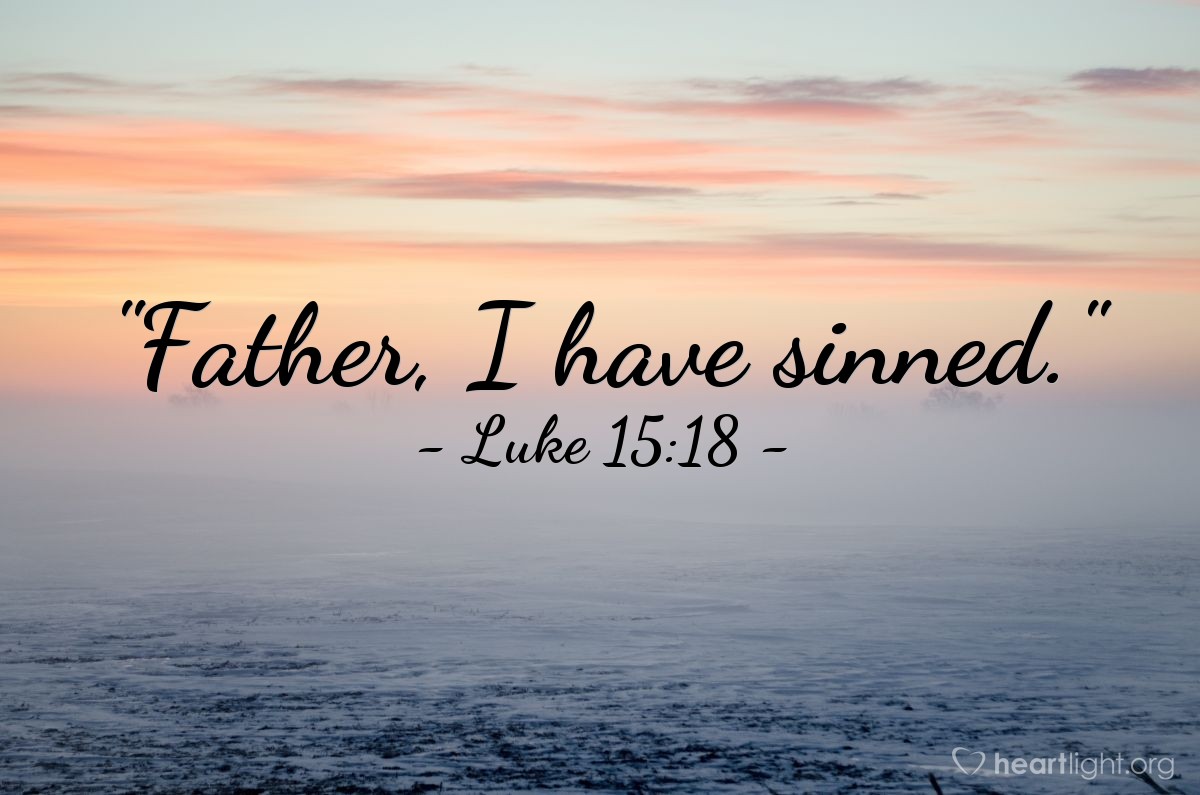
I will get up and go to my father and say, “Father, I have sinned against God and against you….Luke 15:18
 The illusion of something better has tempted each of us to embark on adventures that would not line up with God’s plan for our lives. We’ve done things He didn’t like to see, said words He didn’t want to hear, bent His rules so badly it would seem a miracle that He could look past our recklessness and see what’s good in us.
I don’t know about you, but I’ve often asked myself how God could love me after all the mistakes I have made. Now, understand, I never received a big inheritance, and I never had opportunities to party as hard as this errant son did. (I did take care of pigs when I lived on a farm, but that’s another story.) I have, however, acted out in ways that I know were hurtful to myself and others. Words have escaped my mouth that certainly wouldn’t please my Father, and could certainly be hurtful to the people around me, even, and perhaps especially, those I love the most.
We make mistakes! We all do it! Sometimes in anger and sometimes intentionally. We’re human, and we do things we don’t really want to do. Is it any wonder that we might doubt God’s love for us if we can’t even love ourselves? But, here’s the thing, He looks past our mistakes and sees the good in us. There’s nothing we can tell Him that He doesn’t already know or hasn’t already seen a million times.
We can come to our senses. We can choose to go [back] to our Father. Max Lucado, God’s Story, Your Story
You know that the Prodigal Son went back thinking he would live out his life as a field hand, but he was welcomed with open arms by the father who loved him dearly. We have a heavenly Father who does the same for us. If you doubt that, just look up a few characters in the Bible like David and Rahab, Gideon and Paul. They committed grave sins and harbored a very shaky faith at times. But they all came back to where they needed to be, and so can we. So, join me, and let’s take all those heavy burdens we’re carrying around and lay them at His  feet. Say the simple words “I’m sorry,” and mean them. Then let’s take a deep dive into our Bibles, strengthen our prayer relationships, and never again wonder why or if He loves us. He does….just believe it!
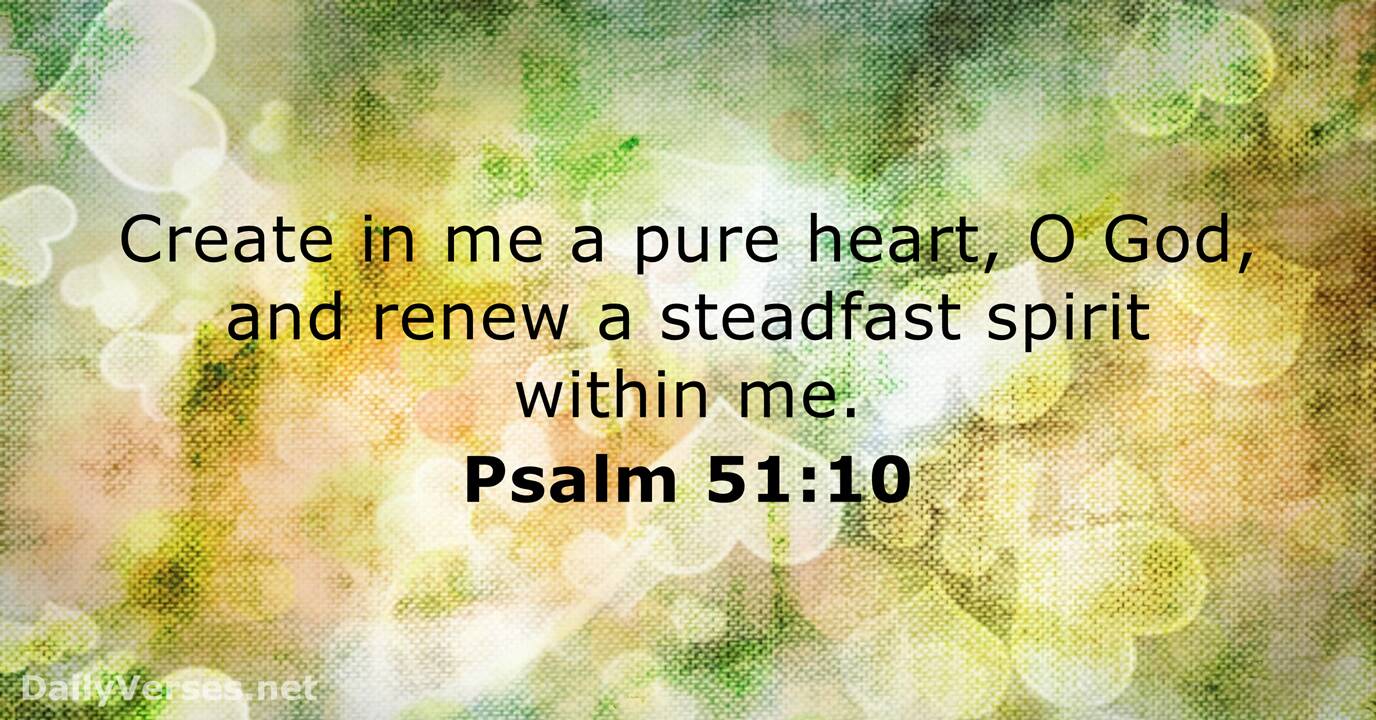
Create a pure heart in me, O God; and put a new and loyal spirit in me. Psalm 51:10
(All Biblical references from Good News Translation)
Read more...